
Most hydraulic system failures do not happen without warning. The signs are there – but without a structured assessment, they are easy to miss until it is too late. MGR Fluid Engineering’s onsite hydraulic health survey gives you a clear, expert picture of your system’s condition before a breakdown occurs.
Who is it for?
The onsite hydraulic health survey is most useful for engineering and maintenance managers responsible for hydraulic equipment that has not been formally assessed, operations teams experiencing recurring low-level faults or unexplained performance changes, and businesses that have taken on equipment where the maintenance history is unclear.
It is also a good starting point if you are unsure whether a remote diagnostic session or a full maintenance programme is what you need.
What the survey covers
Oil Condition and Contamination
The survey evaluates your system across five key areas. Each is assessed during the onsite visit and scored to give you a clear picture of where the risks are highest.
Pressure and Relief Valve Settings
Incorrectly set or degraded pressure relief valves waste energy, generate heat and accelerate wear across the system. The survey checks that relief settings are appropriate for current operating conditions and that valves are functioning correctly.
Temperature Control
Overheating causes hydraulic oil to break down, producing varnish that blocks filters and jams valves. The survey assesses your cooling system and temperature monitoring to confirm the system is operating within safe temperature limits.
Pump and Actuator Condition
Wear in pumps, cylinders and motors shows up in performance changes – reduced speed, reduced force, or longer cycle times – before it becomes a failure. The survey identifies components approaching the end of their service life.
Safety and Shutdown Systems
Pressure switches, temperature switches and shutdown interlocks are checked to confirm they are present, correctly set and functioning. These are often overlooked in routine maintenance but are critical to safe system operation.
What you receive
At the end of the survey, you receive a written report covering a health score for each of the five assessment areas, an overall system health rating, a summary of any faults, risks or areas of concern identified, and prioritised recommendations – what to address urgently and what to plan for.
What happens next?
The survey report gives you a clear picture of your system’s condition and a prioritised action list. From there, MGR can support you with remote diagnostic sessions for any faults that need expert investigation, a structured maintenance process to keep your system in good health, or a compliance survey if the assessment identifies potential regulatory concerns.
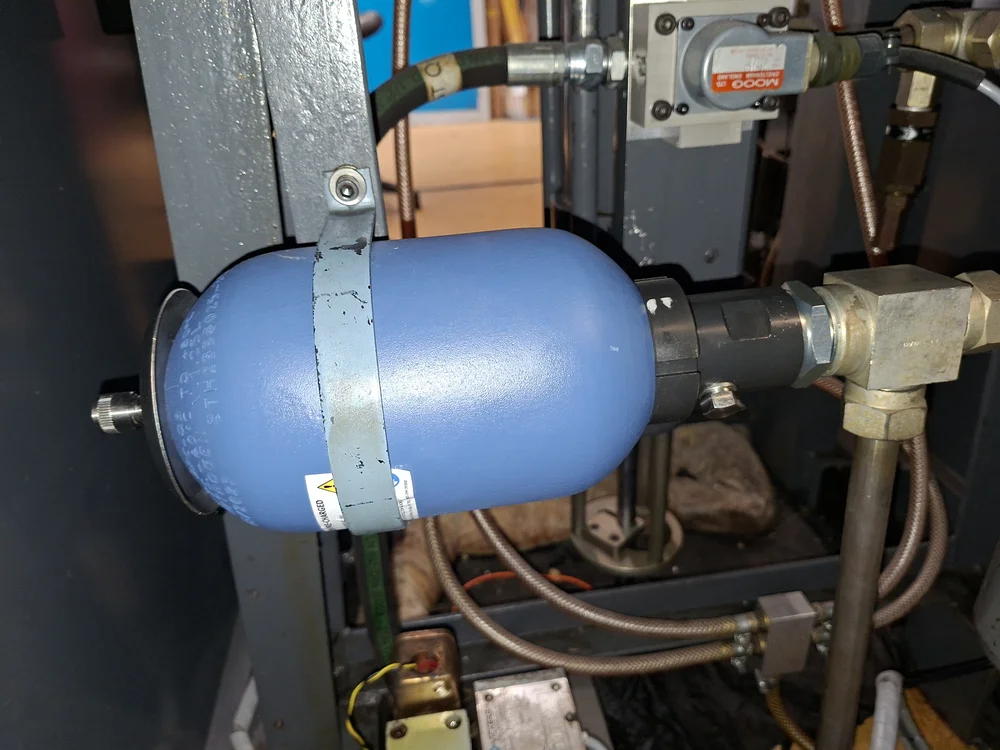
Enquire about our Onsite Hydraulic Health Survey
Hydraulic System Services
Remote diagnostic support
Pinpoint hydraulic faults without an onsite visit, using live data and expert remote analysis.
Hydraulic health survey
A thorough onsite inspection of your hydraulic system, identifying defects, risks and maintenance priorities.
Maintenance process
Documented, tailored maintenance routines covering inspection, fluid management and component upkeep.
Compliance survey
Assessment of your system against PSSR 2000 and relevant legislation, with a clear written compliance report.