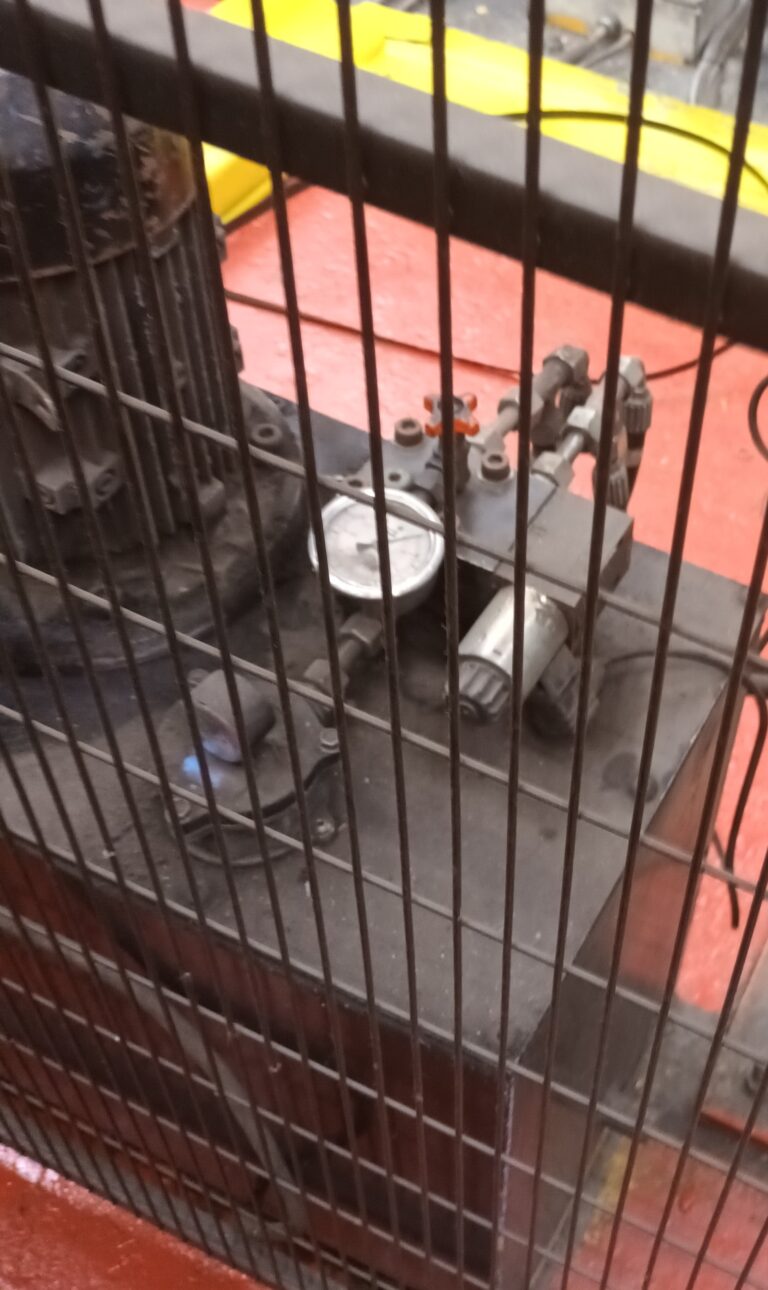
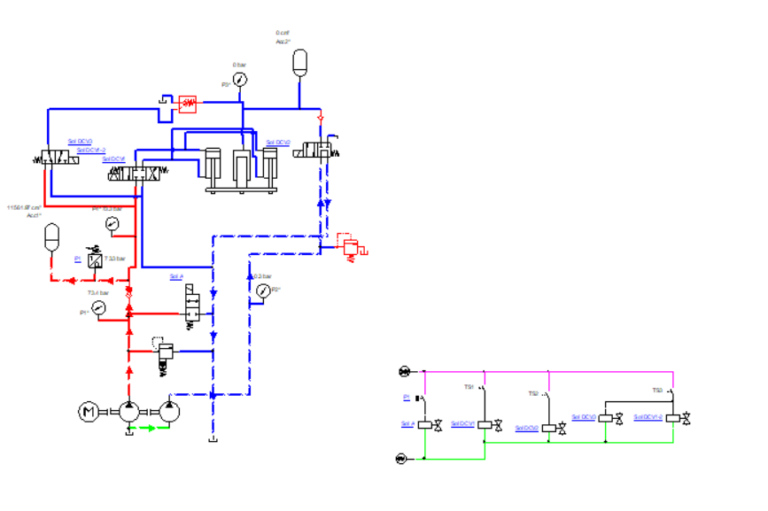
High oil temperatures can cause serious problems in hydraulic systems – and when things go wrong, repair periods can be lengthy and costly. Understanding why temperature matters, and what causes overheating, is an important part of keeping your hydraulic equipment running safely and reliably.
Why Hydraulic Oil Temperature Matters
There are two main reasons why controlling your hydraulic oil temperature is essential:
- Hot hydraulic fluid is a safety risk. Oil at 54°C can cause serious burns. All systems should have a temperature switch to warn of high oil temperature, and a second switch to shut the system down if it gets too hot – usually around 60°C.
- Hydraulic mineral oil breaks down under sustained heat. When mineral oil is heated continually, it degrades and produces varnish – a yellow-brown residue that coats valves and internal components.
What Happens When Hydraulic Oil Overheats
The effects of overheating are progressive and can be expensive to reverse. Varnish from degraded oil causes sludge, which blocks filters and can cause valves to jam. Seals are also vulnerable – high temperatures cause them to become brittle, leading to seal failures and fluid leaks. Left unchecked, what starts as a temperature warning can quickly become a significant breakdown.
The Main Causes of Hydraulic Oil Overheating
In most cases, hydraulic overheating can be traced back to one of three causes:
- Too much flow through the main relief valve. If the system performance has changed or the valve is failing, excess flow generates heat that builds up in the system.
- Extra leakage through the pump due to wear. As pumps wear, internal leakage increases – this wasted flow turns into heat rather than useful work.
- Failure or degradation of the cooler. If the cooling system is not maintained, it cannot remove heat effectively, and temperatures rise.
What to Do When You See High Temperature Warnings
If your system is showing elevated temperature warnings, act quickly. Start with a fault finding exercise – if the system is getting slower, determine whether the pump is at fault or whether the pressure relief valve is passing. Then check the cooling system:
- For water/oil heat exchangers – check the water flow and temperature into and out of the cooler.
- For air blast coolers – check whether the matrix is blocked with dirt.
In many cases, the cooling system has simply not been maintained, and a thorough clean and service will resolve the problem.
Prevention Through Good Hydraulic Maintenance
The best way to avoid high oil temperatures is to maintain your hydraulic system consistently. Keeping your oil clean reduces component wear, which in turn reduces the internal leakage that generates heat. Regularly check that your temperature switches are working correctly, and keep your coolers clean and clear.
If you are concerned about the health of your hydraulic system, or want expert support identifying and resolving temperature issues, our hydraulic fault finding and system solutions service can help. We work with engineering teams across the UK to diagnose problems quickly and prevent costly downtime.