Usually the first step in learning about hydraulics is what hydraulics does and what makes up a hydraulic system. When are hydraulics used and why?
Typical examples of where hydraulics are used are in mobile construction vehicles such as Wheel Loaders and Excavators. In these examples one hydraulic pump supplies fluid to multiple cylinders and in cases some hydraulic motors. The hydraulic system provides quick movement of the cylinders at a potential force unmatched currently by any other technologies for these applications.
In industrial applications there are examples of presses being powered by hydraulics and also injection moulding machines. There are many examples of hydraulics being used to power machinery and knowing this may make you curious to learn about the technology. If that is the case then you are ready to learn about hydraulics.
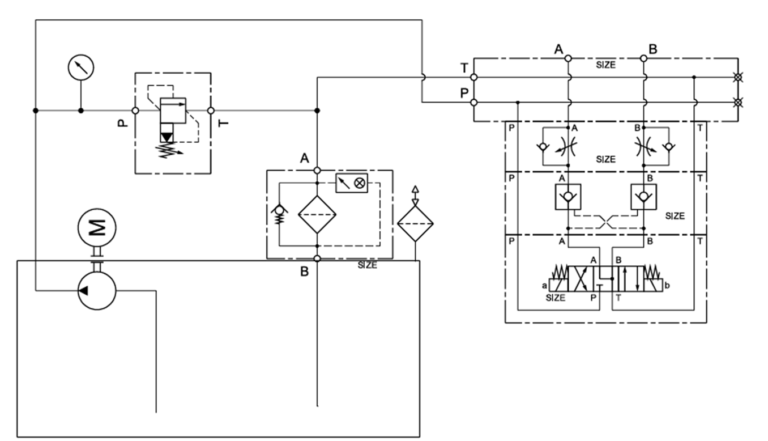
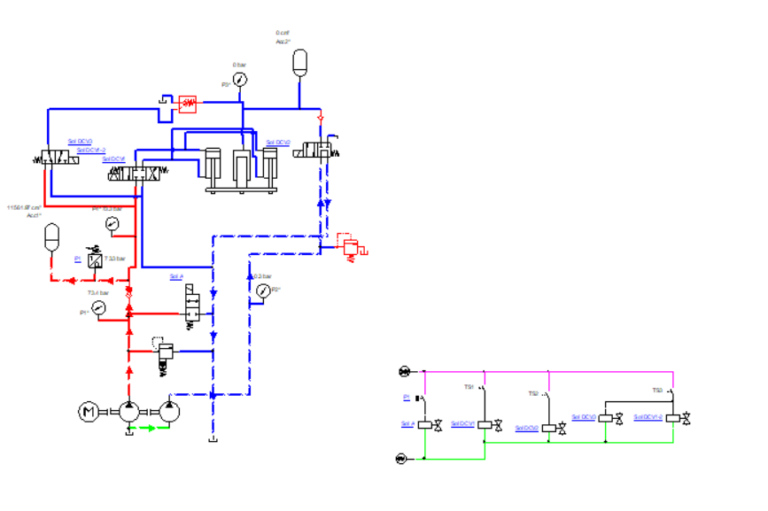
What makes up a hydraulic system?
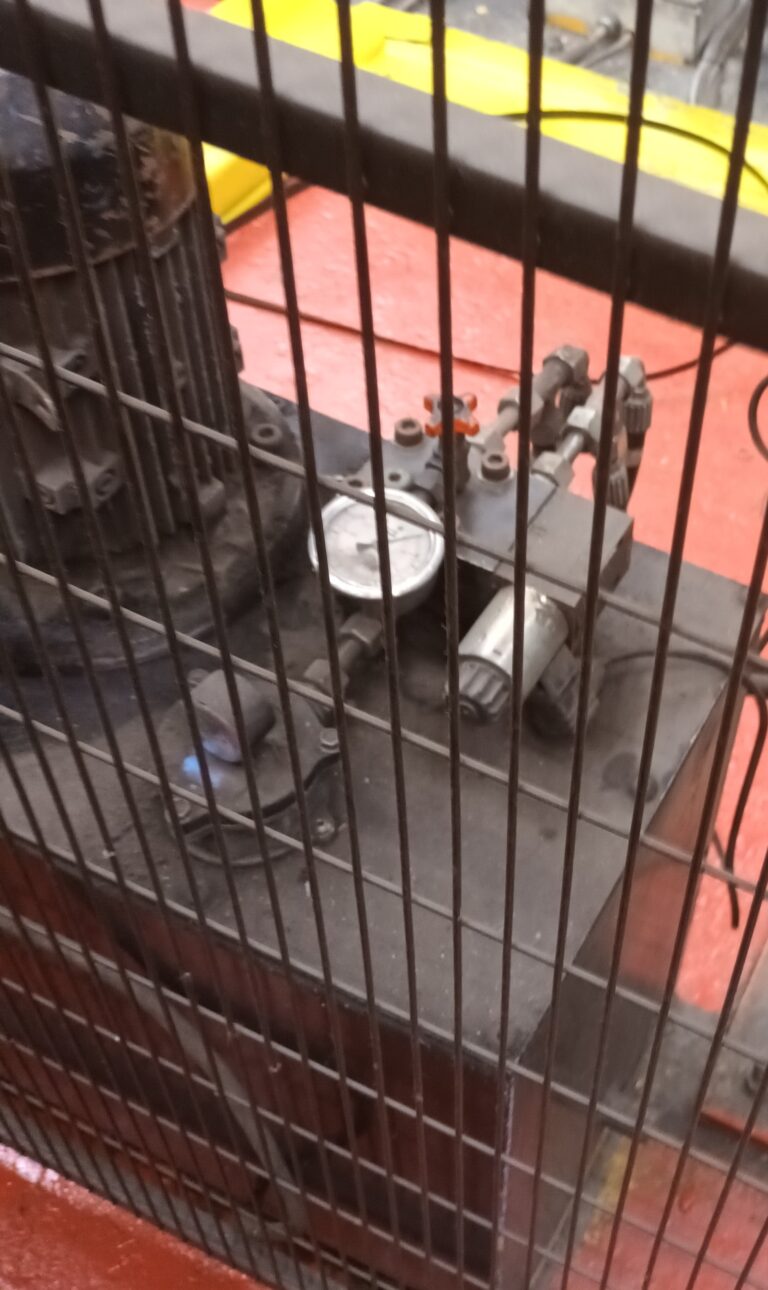
- A prime mover, this is usually an engine of electric motor.
- A hydraulic pump.
- Control valves – pressure, direction and flow. Controlling the maximum pressure is important for safety.
- Hydraulic cylinders or motors, these are the outputs from the hydraulic system.
- Hydraulic filters to maintain the oil cleanliness. Keeping the oil clean is very important.
- A hydraulic reservoir that provides the oil and lets the oil settle when it returns to tank.
- Instrumentation such as pressure gauges and switches to protect the components. Pressure gauges let you know the pressure in the system and without that you don’t know.
The hydraulic components are connected together using hydraulic tube and hoses. Once the person has understood how to read a hydraulic schematic and how some of the basic components work, we move onto calculations; sizing pipes and hoses.
To learn more about our full training services, visit our main page for Hydraulic Training Courses.
MGR Fluid Engineering provide bespoke hydraulic courses, developed to improve the understanding of drawings and components to improve maintenance practices and understanding the safety when working on or near hydraulic systems.