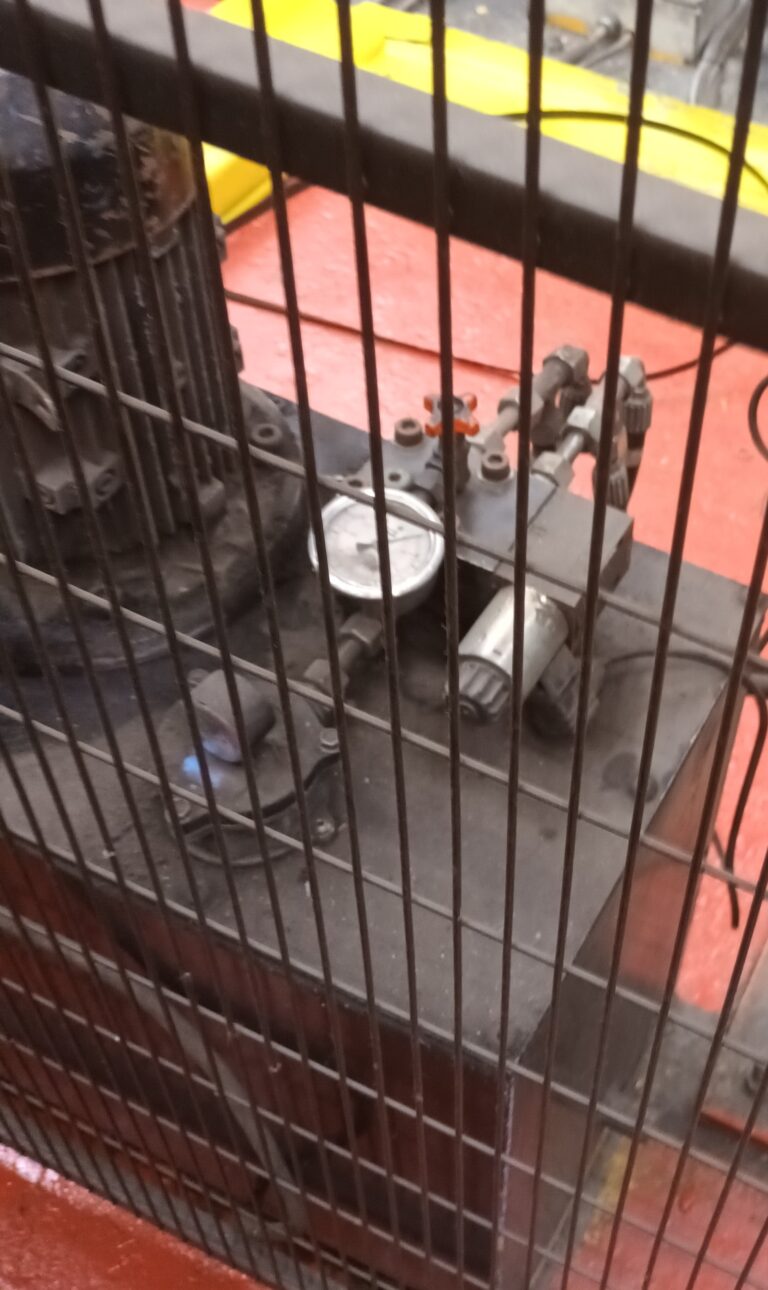
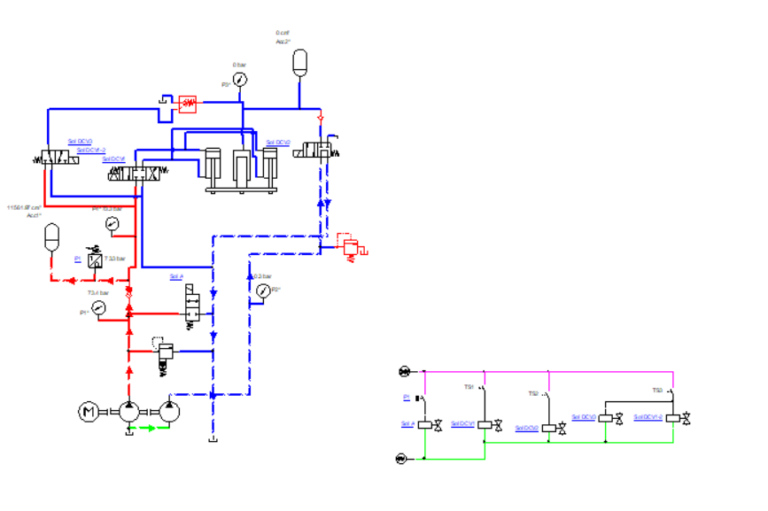
Looking in hydraulic reservoirs you usually find some contaminants that have built up over time in ‘dead spots’ of the reservoir.
In new systems that indicates a problem with assembly processes and adherence to contaminant ingress control. Having worked for over 30 years with hydraulic systems I understand and have seen the effects of contaminants. Consequently I am constantly surprised by the lack of standards during build and commissioning. Basic contamination control is easy and costs very little, for example using plastic plugs to cover open ports and pipe ends during system construction. Slightly more expensive is flushing of pipes and hoses, I say it is well worth it.
I have seen some systems with high levels of contamination and they still run. The internal clearances of the components must be quite large and consequently the internal leakage will be high. These systems will be running inefficiently and using much more energy than needed. The problem comes when a component is changed, it won’t last long on a contaminated system. When it fails, then the owner of the system realises that they need to remove the contaminants, or blames the supplier!