The Situation
We were delivering a Hose Assembly training course for a customer who had brought their own materials – hose, ferrules and end fittings. During the session, it became clear that the hose itself was four years old.
Under BS 5244, hydraulic hose should be pressure tested after four years of service. Rather than simply flag this as a note, we saw an opportunity. Two days later we were delivering a pressure testing course to the same customer – and that was the ideal moment to put the hose assemblies through a proper test.
The Challenge
The first complication arose during the Hose Assembly course itself. There were no crimp dimension specifications available for the hose ferrules. Without this data, we could not simply proceed – incorrectly crimped hose assemblies are a safety risk.
We researched competitor data, identified a suitable reference figure, and each delegate then made up two hose assemblies using that specification. This completed the practical element of the course and gave the trainees hands-on experience with real materials under realistic conditions.
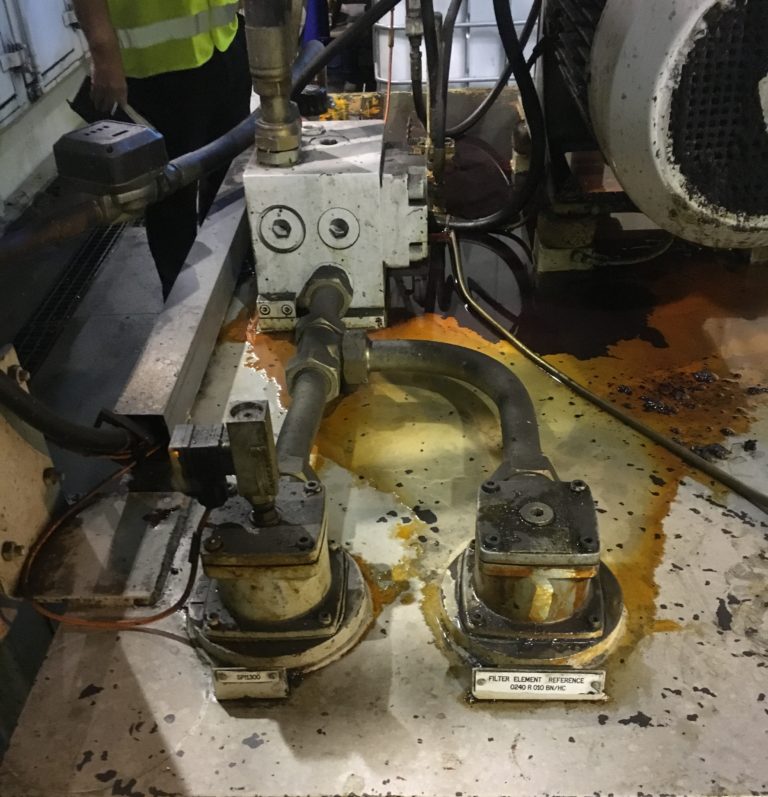
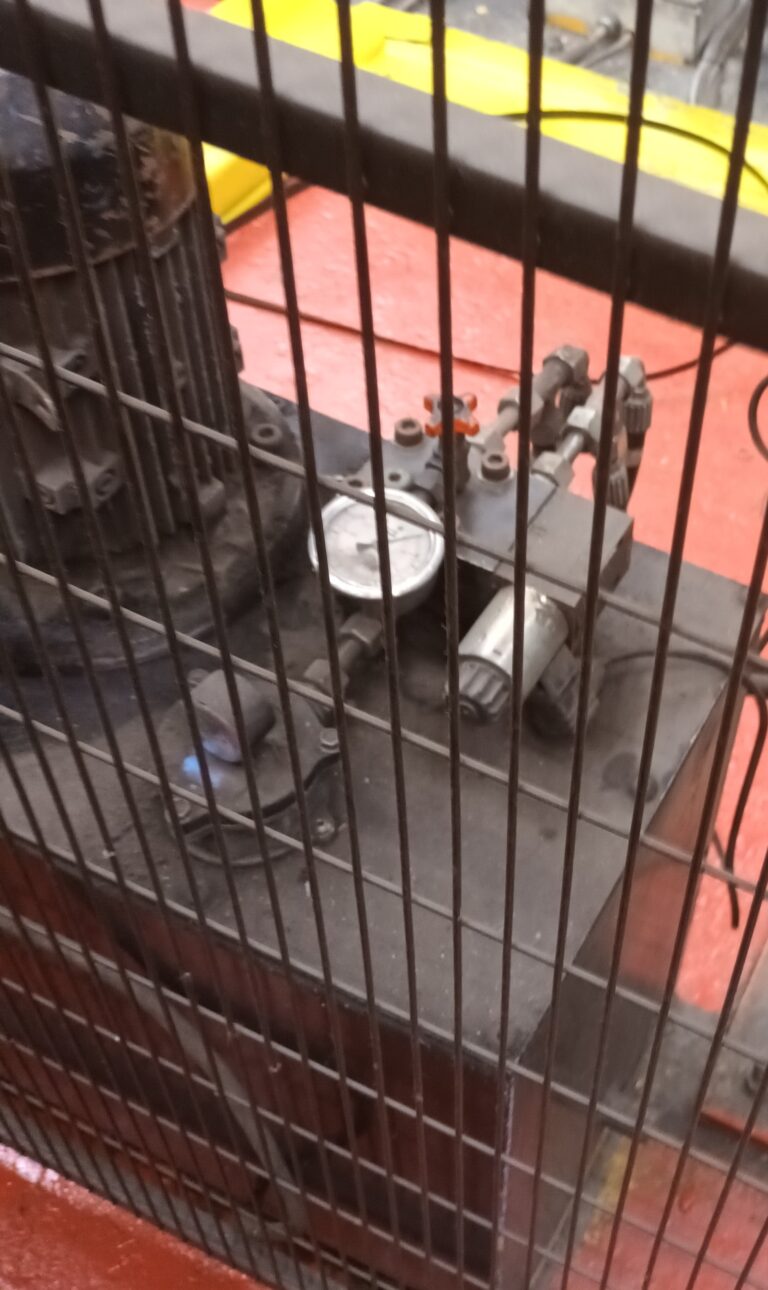
The second challenge arrived on the day of the Hydrostatic Proof Pressure Testing course: the pressure test rig had broken.
The Approach
Faced with a broken rig and a room full of delegates expecting a practical course, we made a decision: use the situation as a learning opportunity rather than deliver a truncated day.
The theory component of the course was delivered first. Then the group was split into two teams, each with a specific task:
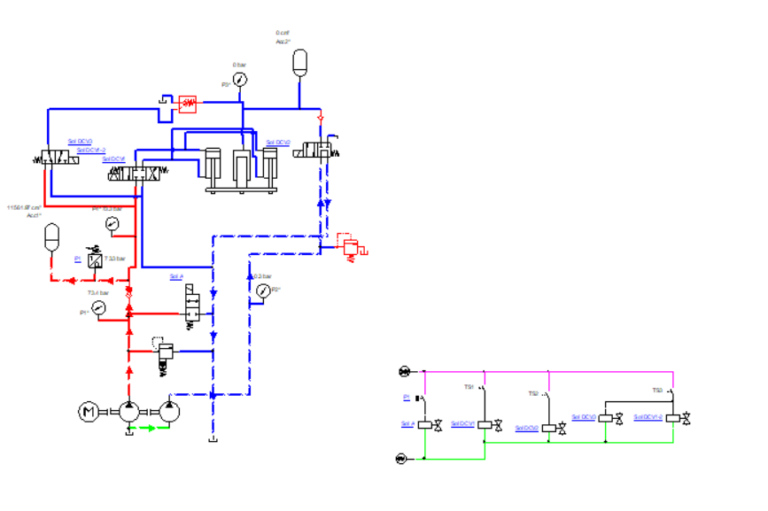
- Team 1 focused on getting the rig working – diagnosing the fault and carrying out the necessary repairs.
- Team 2 focused on writing the pressure testing procedure and conducting a safety assessment of the rig.
Once the rig was operational, Team 2 walked Team 1 through their risk assessment. The group discussed the hazards involved, how to mitigate them, and confirmed everyone understood the safety requirements before any testing began. Each delegate then carried out a pressure test themselves.
The Outcome
By the end of the day, every delegate on both courses had achieved something more valuable than a standard course delivery would have produced. Each trainee left with:
- A clear understanding of why correct crimp dimensions matter, and how to source the right specification when manufacturer data is not available
- The ability to safely pressure test hydraulic hose assemblies in line with BS 5244
- Practical experience writing a pressure testing procedure from scratch
- First-hand understanding of how to assess a test rig for risk before use
What could have been a difficult and frustrating day became one of the most practical and memorable training experiences we have delivered. The trainees did not just learn the process – they worked through the real problems that arise when things do not go to plan.
What This Demonstrates
This case study reflects the way MGR Fluid Engineering approaches training. We do not teach from a script. When circumstances change, we adapt – using the situation to deepen understanding rather than work around it.
If you are looking for hydraulic hose assembly training that prepares your engineers for what they will actually encounter in the field, we would be happy to discuss your requirements.